Determining Your Budget
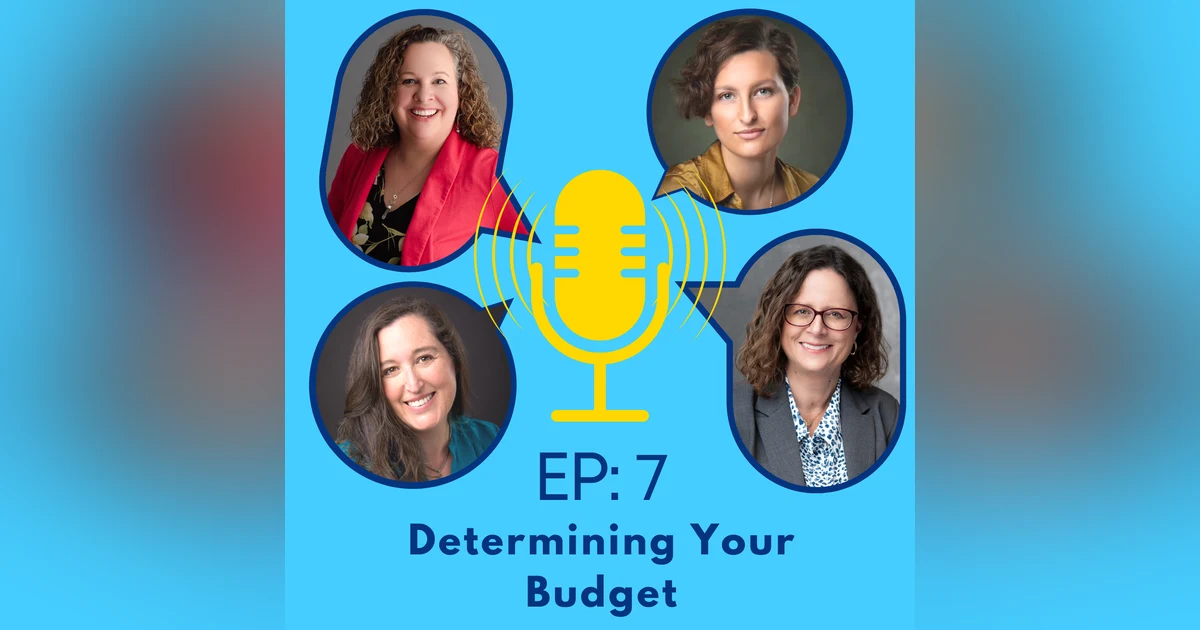


Many business owners feel like they need to hire a low-cost VA to complete the number of hours they feel is necessary for all of their tasks. That’s not always the case or the best approach. When it comes to your budget, let it guide you but don’t let rule you.
In this episode, we discuss how to figure out what you can comfortably afford and how to find the best solution for your money.
Some resources we offered were Rachael’s Budget Worksheet and Bree’s Way to Save Money handout. You'll find these and other resources here or using the Resources and Handout link in our Linktr.ee.
Have a question?
Email us at heyvapodcast@gmail.com, join our Facebook group Find, Hire and Work with a Virtual Assistant (VA): https://www.facebook.com/groups/findavirtualassistant
or find our contact details here: https://linktr.ee/heyvapodcast
Please leave a like, comment, or review, and share our podcast with someone you know who could benefit from our content.
0:00 Hi, welcome to the podcast that explores virtual assistants, lump business owners to know, but may start asking themselves the question, hey, do I need a VA? I'm Rachel Davila, and after 18 years as a virtual assistant going at a loan, I experienced the steep learning curve from the other side of the VA client relationship when I hired my own assistants. Joining me on this podcast is a group of friends and colleagues who all have their own take on what busy entrepreneurs need to know to find, hire, and work with a virtual assistant and mindfully answer the question, hey, do I need a VA? Let's get this episode started.
0:46 Hey, everyone, welcome back to hey, do I need a VA the podcast? We're on episode 7, determining your budget and with me is Sydney Hubbard, Brebe V, and Leanne Arimley, my Tustico hosts with this wonderful podcast, which we've been getting great reviews on, and if you have been listening and would like to leave us a review, you can send us an email or we'd love it if you would populate it on your platform review system. But let's get started. So when it comes to your budget, I always tell clients, let your budget guide you, but don't let it rule you.
1:35 There should be lots of wiggle room in determining how much you can spend, how many hours that looks like and what kind of VA you can utilize that pool of money for. So when considering working with someone, it's important to figure out how much money you can comfortably spend a month. And then determine based on your handoff list and the tasks that you're looking for, we'll kind of VA that is because different VA's charge different rates. So if you have $300, you could get 10 hours at $30 an hour or we've got to do that. You know, five hours at $60 an hour.
2:26 So it may feel like you have a lot to hand off and all of it feels urgent, but as you're going to find out, there are ways to still get those important projects done and still find the right fit for your budget. So, ladies, one thing I do want to mention, a VA was never meant to be a low cost option for an employee. Employees get paid by the employer, the employer takes on all of the overhead, the taxes, the time off, all that kind of stuff.
3:09 A VA is their own business and they handle their overhead taxes and everything and that price gets allotted into their hourly rate or their package or how they charge. So it's going to cost differently than an employee. The other thing is a VA hour is different than an employee's hour. An employee gets paid whether they're at their desk or they're talking to a co-worker or wandering the halls of VA. I don't know about you guys, but they charge by the butt in the chair of time they're working on your project. So that's something to consider when looking at your budget and looking at the number of hours because a VA hour is different than yours. If a project takes you a long time and you hire someone who specializes in that task, it's going to take them less time.
4:16 I don't know about you guys, but I track my time when I start work and I turn my tracker off when I'm done working and so it may take me two hours to work on a project but that could be split over the whole month. Like in little increments. So those are important things to know ahead of time when you're thinking about budget and the amount of hours that you need. But I want to open this up to everybody else. What's one thing that you share with clients when you guys start the conversation around budgets and how much things are going to cost? Let's start with. We end.
5:09 Okay. One of the things I always tell my clients is no matter what your budget is, let's start with something a big pain point but like the very first thing, it doesn't need to be like your whole budget. It just let's start with something smaller. Don't panic that you have. I only have five hours and I only know let's start with one thing. And then we can move forward from there. So when they're budgeting, I try to get them to think through more like I need this done first and then move from there when they're figuring out their budget. Yeah. Great. How about you?
5:51 Yes. Similarly, like I always try to explain to clients too that like when we start working together, it does take a little bit of an extra time in the beginning to do that get to know you face because you want somebody who's going to invest in getting to know what your voice is, what your brand feel is, what you like and what you don't, which requires some a little bit more back and forth in the beginning that will pay off big times throughout the rest of it because you'll have to do less handholding, they'll get a better feel for you, they'll be able to take on tasks without extra guidance from you, which will save you time in your budget later. So it's a future investment for things that are going to come moving forward because when you pick a virtual assistant or somebody that you want to work with, you don't want to just do it as a one-off month thing, you want it to be a long lasting growing relationship. So it's a future investment in that relationship and that working collaboration that's going to be fostering something good for both of you and to start with like, you know, what is something that is feeling really, really overwhelming but you can get pieces of it done and if that means like what's most important piece if you want to do this month and if you want to get it all done in the first month then it might cost you a little bit more but if you want to pace it out maybe there's like we could get this chunk on this month and then let's say this piece for next month and let's milestone it out so that you can see that it's coming, have a plan for it and down to have a comfort knowing that that's coming or knowing that if you have a press for it that maybe it's just a lecture investment for a short period to get that pushed out. I love how you called it an investment, you know, so often we just think about the task or handing it off but you don't consider
7:27 I'm investing time and energy to get to know vice versa, right? Like the client is getting to know the VA, the VA is getting to know the client and there is that time that it takes to build that comfort and that trust and to go, oh, I can't hand this off and they're going to do it great and not be so caught up in how much is it costing me? Yeah and the investment's on both sides. Yeah that way. Sydney how about you? I think that for a while I didn't think that much about the client and of them having to figure out like what's their budget like the amount of time they would want me to work and I think that what got me thinking more about that was when I got into kind of situations with a disorganized client and then it's like a wait like like I'm not being paid and so I think I trust that the client will know how to budget their business but something that in the future I want to be really working on and like the initial interactions with a client is like okay how much are you willing to pay for a VA? Right
8:58 and that means how many hours do you want me to work per month? Because I don't want to have to be doing budget work for the client if that's not what they're paying me to do but I think definitely having a client think about that if they work already is definitely something that in the future I will be very conscious of. Well and I definitely think it's definitely something to bring up and those initial conversations right I mean you know in in future episodes we're going to talk about interview process and the questions that a VA will ask or that a client needs to ask because I know for me like do you have time to do X amount of hours? Do you have the budget for X amount of hours right? Do I have space for X amount of hours? So it's definitely should be a initial conversation piece before you sign on the line to work with somebody this is my budget this is how much I have do you have that time in your practice do you have the budget in your interior wallet right? So I think yes definitely good for both sides to know and to communicate
10:32 that the different ways VA's charge can be that that can come into play with how a client budget can be best used or what clients look for. I know that when clients come to me and say yeah they want me to pay 20 hours up front but we haven't even worked together yet that kind of feels like a red flag for me because I feel like there is that getting to know you period and 20 hours a month is a long is a lot of time you know per anyone so when it comes to the way you charge what do you tell clients like how do you track time how do you charge? So I charge one of two ways I have a charge by the hour or I charge by the project but a lot of my work is also like dual website if I do it by hour it's the numbers get to be scary it makes more sense to do my project is more of a hey this is what you get at the end that being said I also want my clients to know that I'm not like hey I'm going to do 15 minutes and then you're going to disappear because that doesn't make much sense so for me any new client I asked him to put every tanner down of just for one hour you know pay for the first hour and then we work from there
12:07 so that I know they're real that kind of stuff I try people do things in the past they take in the work and take it off but I do I definitely do by the hour and then by project I'm interested to hear how the reason working on things though because she had a hint earlier go for free so there's a couple of ways what we have done in the past is done prepaid for a tanner where people pay up front for amount of hours to kind of get ahead of that problem that then he was talking about and part I like about that for way of doing it and how we've done it before is that clients know how much they're paying they know what they're going to get at the end of that they can be tracked and it can be sent to them nobody surprised by large bill at the end of the month you kind of set up that expectation I've heard some horror stories from clients and people who work with people where they're like you know I just said I wanted to do these tasks we talked to it would be about this amount of time and that would be what they would charge me and then at the end it's a month they get a bill that's double because things happen things came out there was an infunication about how much extra it was the bill was double so to get around that that's one way that we've done things the other way that we're doing things is that we're doing things based on deliverables and customer packages so you want to newsletter some on eight social media posts that are this type of the post and you want this kind of thing that's this package rate and that has things that we were talking about earlier already a lot it into it the you know our overhead costs the cost for our programs the things that we're using in conjunction with the tasks that we're doing
13:37 the prices and that we're paying for our contractors all those kinds of things and then we have some tasks that you just can't say like for sure it's going to be five hours of admin this month so on those ones then we have that those kinds of things with the charge at our least we kind of been doing a combination of these are your set prices for this deliverable and then these are where we can help fill in the gaps and do that you know the buy chunk of hours ahead of time will give you a report of how those hours you're being used and have a combination that way for me I started paying by the hour by week and I think mostly that was just because it was easier for me to keep track of but as my business crew I started paying a sort of charging per hour per month so I'll send an invoice at then at the month detailing like this is what I worked on this is how much time I spent on everything I think that the upside of that is that clients can trust that here's everything that I'm doing and here's all the time that it took and you can see it's and then you can pay me and you can ask me any questions that you want about how long something took I think the downside of that is that I'm not being paid ahead of time for my work so I'll be doing all of this work and then I'll have to wait depending on the clients most clients are are great but I mean every so often there will be a client that's like that that that that just isn't
15:10 the most on top of the billing and so that's why I really like the idea of the retainer and I also like the idea of what Rachel is going to talk about. We were so I just learned this new system it's called a debit card system so how that's different than a retainer I feel like a retainer is you pay a certain amount for a certain amount of hours per month and in the way I have done retainers in the past is if you don't use all of your hours they don't roll over to the next month and so it kind of encourages clients to hand stuff off to do the things so if they have 10 hours I'm still tracking it but then if they're only at seven and we're wrapping up the month you know on both ends you got three hours left of work because you're paying for the hours and that's kind of a retainer but never really sat well with me because I didn't want to have to chase work I kind of wanted clients to be like oh I have 10 hours where we at here here but so this debit card system clients pay for a package of 10 20 hours but they have three months
16:41 to use it so I track my time and then I deduct from the total number of hours and send them a reminder each week it's a little bit more administrative on my end but I kind of feel like that gives some wiggle room especially with new clients who we might say let's do a three month trial here's a you know set number of hours that and if it goes really great then they can purchase more hours when they run out but if if they're not then they have three months to use the package of hours so I kind of like that better than because I have run into clients like Sydney was talking about that you know you do all the work and then you have to chase and you have to control and you have to wait and sometimes you just have the VA has to eat I mean I still have things on my books from when I first started my business because I didn't know what I didn't know back then and now I know back but so yeah I like the prepaid debit card because then I know and then I can send any tweak the client gets the reminder this is where you're at give me something like do this I like with that type of payment and where they're prepaying to there's no surprises right everybody knows that that's a much bigger than that that went for it's gone and like with
18:13 us when we do the retainer stuff we do the way that we do it is we do like at 50% of the time you get an update or halfway through so for on a big project you're going to know that there's lots of tasks and so you're probably going to see that come out a little faster and then we update them at 75% as well so that then if they only have that last little chunk left and they're like okay now they can set the priorities for the rest of that retainer if that's what they have for that month or that time that they want to use um they can be like you know what let's just focus on this or let's top it up or let's change our focus and the this the priority will leave the rest for next month that doing it that way and giving them a heads up on things starts a conversation and allows them to make some more decisions on how that one that time spent and say thing with the the pre-priced package things that they know that that's what they're getting that those are their receivable they can count on those and then anything else they need they can have talked up so I think it helps having more conversations because what we have found is sometimes when you are doing the hourly too they can kind of shift the relationship of it and the conversation gets more focused and fixated on nitpicking hours over what is what is being done what is there like you get kind of caught up in the details instead of seeing the big picture right like these are the big things that we've done if you're celebrating the win we've got traction on this we launched this thing that's making you somebody to help pay for the next thing or whatever it is right that sometimes it can get then like now we're focused on just five minutes we spent on that and ten minutes and it's always kind of like that here's the report for your in-voice and your
19:47 kind of sunshine or there's like these awkward conversations that come so I find that in its a liberals piece of it if there's a little bit more freedom on that it's like hey I know it's this and I know it's that and if I need to make adjustments because it took more time than I thought on my end for me paying myself contractors and stuff will then that's something I need to address in my rake for things but it's not so much in the forefront of becoming something they can get lost yeah yeah I don't actually I don't itemize my time I just here's the amount of time I used I mean I do communicate with the client throughout the time you know the month with what I doing and everything but in terms of this has how long it took me I don't I don't share that with the client do you plan yeah I have it I do an itemize bill but it's kind of it's kind of a hybrid so I don't say I did 15 minutes on this day and 10 minutes on this day on a project it's like the project was this amount of time even if it's you know it's made you know it's like okay I worked you know two days and it took me you know half hour each day well it was one hour right it works that I don't you know I didn't I hit between 12 and two I did this much time and I don't you know I don't go quite that detail but they do get an itemize bill of everything that I do unless it's a project based in which case it's here you go yeah so do you guys ever
21:20 help a client figure out what their budget is like how much do you have okay how many hours right it because VAs charge across the board I mean you have a $25 an hour VA all the way up to a $100 an hour VA and all points in between so you know if someone has only a finite amount of money per month I think a lot of people think oh it's gonna take me a lot of times so I need a higher a $25 an hour VA because they need 10 15 whatever hours but then what they really need based on our episode with all VAs are different is they need a higher price VA to help them get things going and everything so in my fine-to-VA program I have a worksheet that kind of takes clients through okay well if I hire a VA this price point I get this many hours and if I hire someone at this price point I get this many hours and based on my handoffless and it skills that I need that's the range so that when they start the interview process then they can kind of go okay well they fit within my range right because I need X number of hours or skills so I will put
22:59 a link to that worksheet with the show notes do you guys offer anything that can help a client determine their budget I don't offer something specifically that helps the client determine the budget but the one that resource that we have is ways that you can save anyway you're working with a virtual assistant like different ways that you can feed them information or things that you can consider that would make things efficient and then obviously save you time not be that's a good that's a good offering too so can we put that in with the show notes yep okay well because those two things together really could help somebody kind of look at their handoffless and go oh well according to breeze how to save money I need to do all this before so that I can finish with Rachel's budget worksheet all right well thank you for joining us today on this episode of hey do I need a VA the podcast if you have any questions you can email them to us at hey VA podcast at gmail.com or use the link tree link in our show notes to contact any one of us and we look forward to seeing you on the next episode thank you for joining us on this episode of hey do I need a VA the podcast if you found this episode helpful please leave a like comment or review
24:30 and feel free to join our Facebook group find higher and work with a VA for more tips and tools if you have any questions please email them to hey VA podcast at gmail.com we'll see you next time