Ask...Always Ask!
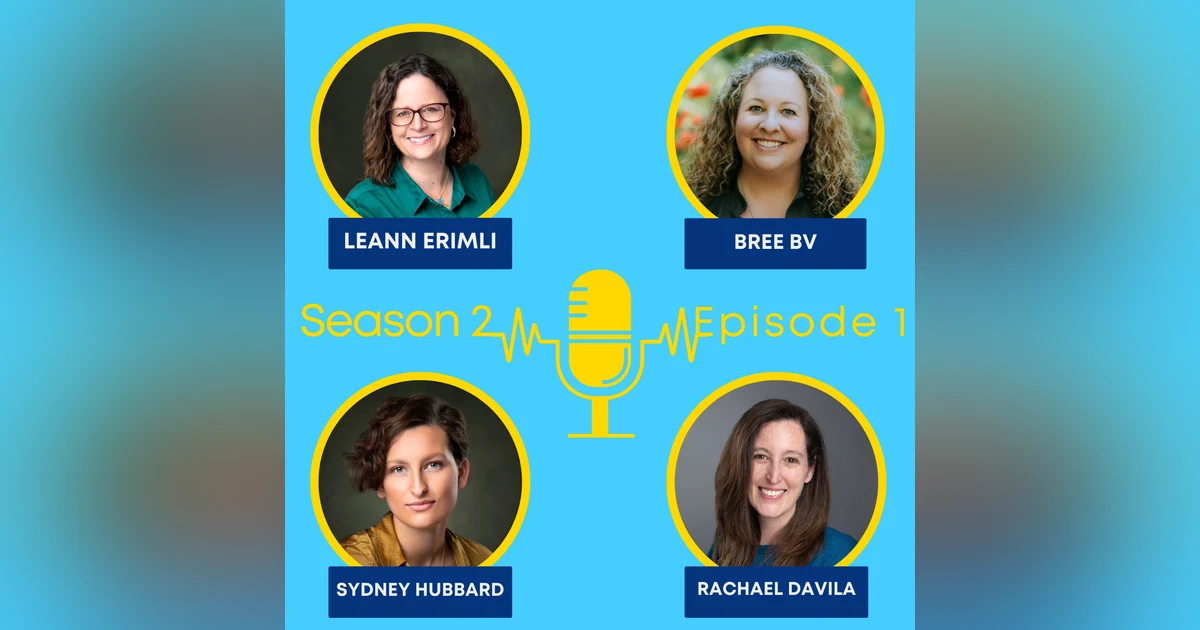
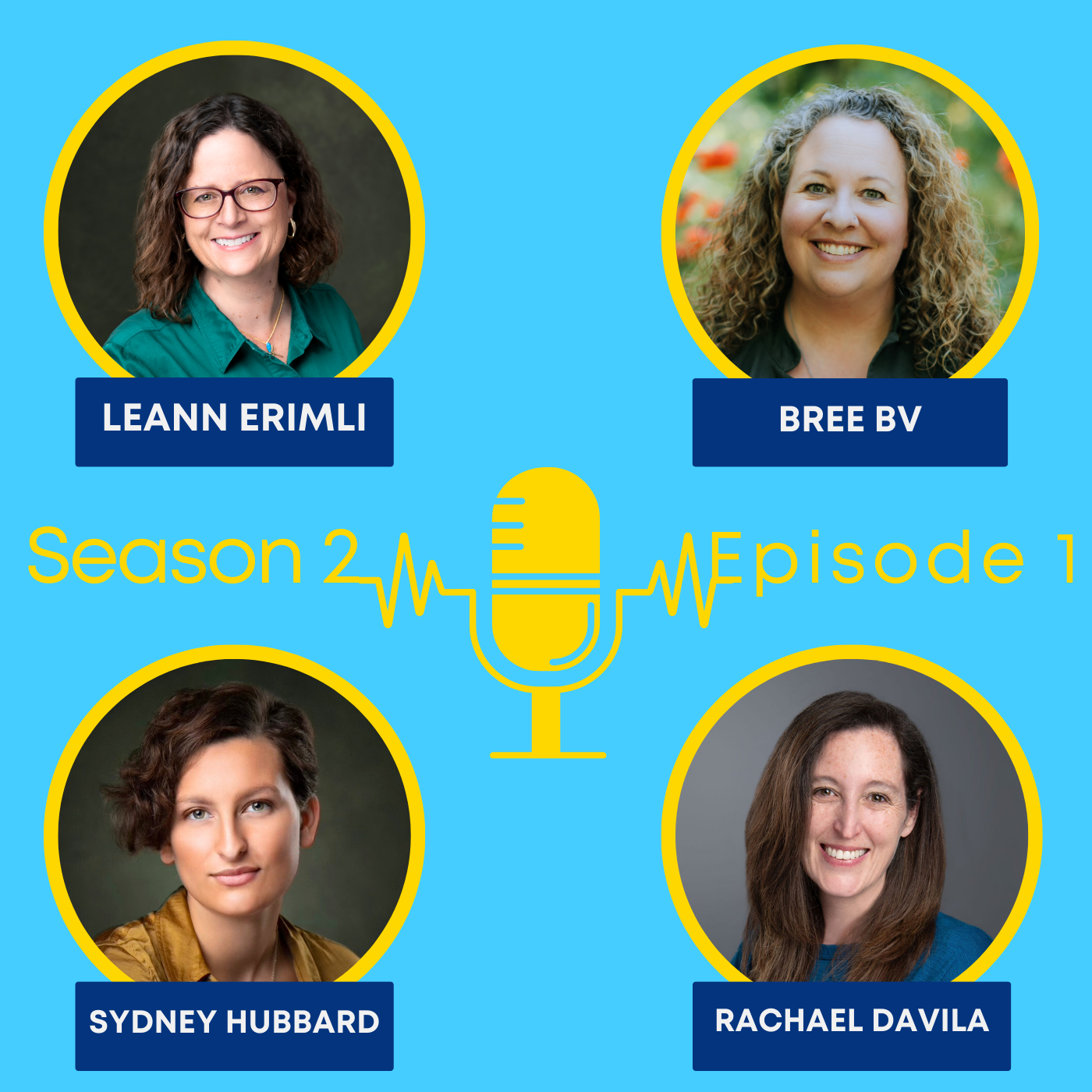


We’re back and so happy you’ve returned for Season Two!
VAs learn something new every day and for every client. They may not always update their services page or share all the new skills they have learned.
In this episode, we discuss how important it is to ask during the interview process or, if you’re already working with a VA if they are interested in taking on or learning new skills for you.
Have a question?
Email us at heyvapodcast@gmail.com, join our Facebook group Find, Hire and Work with a Virtual Assistant (VA): https://www.facebook.com/groups/findavirtualassistant
or find our contact details here: https://linktr.ee/heyvapodcast
Please leave a like, comment, or review, and share our podcast with someone you know who could benefit from our content.
0:00 Hey everyone, welcome back to a new season of Hey, Do I Need a VA? The podcast. I'm your host, Rachel Davila, and with me always is Sydney Hubbard, Bree BV, and Leanne Oremli. And we are so excited to be back for season two. In this episode, episode one, we're talking about the motto, ask, always ask, because my mentor told me we could learn something new every day and still not know everything. And the same can apply to what we put out on our services page or about me page.
0:47 And I know for most VAs, we are constantly learning new programs, skills based on what our clients bring to us. So ask, always ask to me is if you don't see something that you need on an about page or services page, ask the VA if it's something they can do. And if you're already working with a VA and you come up with something new that you and your VA haven't discussed already, ask if they're interested or if they do that task.
1:30 Friends, how does that motto, ask, always ask, show up for you? And what does that mean in your minds? We'll start with Brie. I often encourage clients this even in an onboarding call or things like that. Because even if it's not listed on our services page, it might be something that somebody is learning, but we haven't had anybody ask for it yet. For example, we had somebody who came to us and was asking if they could get support with Pinterest. And one of my team members when I threw it out there is like, I've been learning about this and I want to learn more about it.
2:14 I want to make Pinterest my thing. And I would love to work with that client. And so then it became a thing out of that. So sometimes it's even that we're just in waiting to be able to explore it or go deeper or practice what we're learning. Leanne. Yeah, definitely always ask. I'm known as a tech cyber VA, so everybody thinks I do just like the websites and things like that. So when I had a client start looking for somebody who could do something else, she said she felt guilty interviewing other client, other VAs. And when she came back to me, I'm like, I can take care of that for you.
2:54 It's just not on my website because it doesn't fit the profile of what I've put out on my website. That doesn't mean I don't do it. I do a lot of regular VA stuff. I'm known as a tech savvy one. Yeah. Yeah. And because I think for most of us, we've started off in a general, more admin level business. So we did a lot of those daily, everyday tasks. And then we just kind of either veered or just naturally gravitated to a specialty or an area like that. So we still have the skills. We don't lose them.
3:35 We just don't use them as my tour as often. So Sydney, has it shown up for you? Yeah. I think for me, I'm very new in my business, so I'm still very much exploring. And my background, kind of what I learned before going into a VA, was very much Canva, Adobe Illustrator, and so that creative graphics oriented work. But I've also been branching out into websites and podcasts. And if I wasn't asked to do that, then I wouldn't have gotten the opportunity to learn to do that.
4:20 And so I'm very grateful for being asked. And I'm very grateful that I thought to ask you because now you're our podcast manager, because that is not a skill set that I wanted to grow into. But yes. So one other thing that has come up is the fact that sometimes we narrow in or zero in on a specific platform or program because that's where we get comfortable. I know when I first started with email marketing, it was Constant Contact because it was the only user friendly email marketing platform at that time.
5:06 And then all my clients were shifting to Mailchimp. So I was like, all right, I guess I'll try this new platform, new to me platform. And now I'm in that all the time, but clients are constantly finding the next greatest program, the new shiny version of things. So I know for me, being able to cross over different platforms, even if I say I work in Mailchimp, I could still go back to Constant Contact. I could still try a different platform. Do you feel that you have that same flexibility, I guess?
5:53 Sydney? I for sure feel that, especially because I am new and I'm still learning systems and processes and what I prefer. So I think, I mean, even in terms of this podcast, we first set up, and I was just editing on iMovie, and now we've switched to a different software, and I've been loving it. And so it's one of those things where being asked, like, oh, could, like Rachel came to me and was like, hey, what do you think about using this software? And if she hadn't asked, you know, then like, I wouldn't have had the opportunity to use this super cool, super nice piece of technology.
6:44 And so, yeah, I do think that I'm very flexible with learning, because I really enjoy that piece of being a VA, a constant learning. Brie? I'm with Sydney as well. I love the variety and getting to learn new things. And as much as we want to as a VA, to be able to try and stay on top of all the different platforms that are out there and all the different tech tools, it's almost impossible to keep up with like all the different things. So sometimes that's how they come into our awareness is that somebody's told me about it. Now I get to go check it out, like Sydney was saying. And quite often, there's very similar things on each platform.
7:27 For example, if I was building a course on Kajabi, and somebody wanted something on Thinkific, there's so many similarities. There's just some nuances on it that you just tweak what it is here, or it's called something different here, you push a different button there. But they're so similar, like the learning curve isn't that extensive. It's very similar enough that I could be go in and get a good feel for it quickly. And I feel like if you are already working with a VA, having that VA go in and just quickly learn the new platform is going to save you more time than hiring on somebody else who is only working in that platform. But you now have to get them educated on your business and all the other nuances of working with you versus just learning a couple of quick things in a different platform.
8:13 And I think part of the ask always ask is if your VA is interested in learning a new program or tool, because it's something that a potential client is interested in or has heard about, or if they know somebody, like if they're not interested, like there's a lot of things that I'm just not wanting to learn and work, but because of the referral network that I've cultivated, I can be like, I'm not, but I can project manage it with a colleague. So that kind of goes into that ask always ask because it might be, oh, yes, I am interested in learning it because not only can I use it for you, potential client who's asking me, but now it's in my skillset, it's in my wheelhouse, I can offer it to other clients.
9:10 So yeah. And one more thing about that piece of it, potential clients, if you are asking a VA to learn something new specific to you, your organization or your business, then more than likely have some room in your budget for those hours of learning. I know that if there are some programs that I know for me, I can translate to other clients, then I'm usually willing to learn them without charging the client the time to learn them.
9:53 But if it's something specific to one client and I may not use it for another client, then I always ask the client to at least chip in for the learning process. So that is also part of the ask, always ask. The VA should ask the clients, are you willing to pay for training on specific things that you're learning? Mian, anything for you? No, I actually agree with both Bri and Sydney. I learn a ton of software just because that's what my clients are asking for. And there is, like Bri said, there's absolutely no way you can keep up on every new bright, shiny object that's coming out.
10:35 I tend to learn quickly, so my clients get to leverage that, that I know a lot of programs and I leverage my quick learning for their benefit. And like you said, if it's for, I can pass it on to other clients, awesome. If it's for a specific client, I do prefer they pay for some of my learning time, maybe not all of it, but quite a lot of it because it's just for them. And okay, so we're going to switch gears a little bit here. So we've talked about ask, always ask, because we don't always put everything we do on our website.
11:17 It would be impossible to list every single thing that we do because we do learn things all the time. So I know we've kind of talked in past episodes about our specialties and everything, but how would you categorize yourself and how do you come up with the list of tasks and services that you offer or do you just focus on the things you're known for? Well, for me, I focus on tech savvy because that is all my marketing. So everything I do is tech savvy.
12:00 At this point, everybody is tech savvy. You have to be, that's kind of our industry at this point. But I focus on the things I like on my list. So in other words, if I like to work on websites, I like to debug them, I like to fix hacks. Those are fun for me. So I put those on my services list. Does that mean I can't do other stuff? No, but it just means that that's what I tend to like more. But if you were to ask me how much mail chimp do you do versus how many websites you unhack, it's almost 50-50. I don't necessarily put it on my website because I want to pull more towards the website stuff.
12:45 Yeah. Bri, I know you offer a wide range of services and skill sets. So do you have that all listed? I don't. Like Leigh Ann said, I feel like it would be too overwhelming to list it all. So that's where I really encourage to have an inquiry call where we can kind of discuss what they're looking for and then I can share, okay, well, these are the things that we do. What I have listed is generally more the things that are most asked about or more sought after so that they know that we do offer a variety of things, but not necessarily all the things.
13:26 So yeah, that's kind of how we go about it that way. Yeah. Sydney. Do you keep adding as you learn? Sometimes. It depends how often I kind of remember to update my website. But most of the time when I'm talking to people, I say, oh, I mostly just do social media for small businesses. Even though at this point I would say like I do more podcast stuff than social media, just where I'm at with like my time.
14:09 But yeah, I think mostly, yeah, on my website, I have create social media content, edit videos, and stuff like that. I have like a lot of miscellaneous things, but I don't have, can produce podcasts. And maybe that would be a good thing to add. That would probably be really good. Yeah. When I have time, I'll just add that in. But I think for a while, even though I was editing and I was uploading, I was doing all the things for a podcast, I was like, well, I'm mainly just editing this video and iMovie and then putting it in RSS.
14:57 But yeah, I mean, that is what a podcast producer is for podcasts that are starting. So yeah, definitely something I would want to add that isn't there. And I don't necessarily market myself as that, even though I spend most of my time as a VA doing it. Yeah. Yeah. Maybe you need to start shifting. Yeah, shifting. Only if you want more podcast clients. Right? We have to market who we are and what we do to the clients that we want to work with and the skills that we want to utilize on a fairly regular basis.
15:45 All right. One more question. Actually, two. Do you have a story where this has come up where it's either caused issues with the client or clients had an aha moment with asking? One of the stories that comes to mind for me is when I was first interviewing a client she had been referred to me and she wanted to do what wanted a VA that did research.
16:27 And I'm always willing to do research as a college student. It's unfamiliar with it. But when we were talking about it, I was like, yeah, so the thing with research is that I could be looking up things for hours on end. You know, like I could. So I think she realized that having a VA do research, you either need to put a limit on the amount of hours you want them to work or you need to be like, well, I want you to work until you find X, Y, Z thing or until you find this.
17:09 Like let's say like she she wanted just for example, let's say she wanted me to look for like podcasts to be on. And so it's like, OK, well, I want you to find three podcasts for me to be on a month. You know, you kind of have to quantify it or else a VA can just like I you could look for podcasts to be on forever. You know, there's so many. And so if you don't quantify it, and I think that's why as a VA talking to her, she kind of realized that and we ended up going different ways because I don't think she was ready to kind of kind of commit to that, commit to having a VA that would do research, but that like wouldn't necessarily like bring up results in like a specific amount of time because you know, research is research here on the web.
18:12 So yeah, I thought that was an interesting experience. Yeah, it goes with the communication aspect of ask, always ask, because a lot of times clients we don't always know how our requests show up in the reality of doing the task. And so to us, it might be like, hey, research this topic. I could fall down a rabbit hole. I'm going to let you fall down the rabbit hole. But having having parameters, having the conversation of what the outcome is and setting guidelines and boundaries, I definitely feel like falls under ask, always ask, because you know, we don't always know what we don't know.
19:05 So I think it's it's helpful to ask the questions, especially with new tasks with new projects. What are the parameters? What do we need to establish? And if things show up in the course of doing it, bring that up. Is this still what you want? Is this still the direction you want me to go? I could really go further into this realm. Is that where you want me to go? That kind of thing. So I think that still falls under that ask, always ask motto. Bri. Yeah, I think it also goes on both sides.
19:45 I've had areas where it's like that, where you're setting up parameters and the more clarity you can get, the more pinpointed on what the results are that you're looking for, the better results that we can give. But that's where like also asking inquiring questions on our side, too, can be helpful for that. And even like with my clients, sometimes when we're talking about it and we're like, OK, you know, you want me to find you speaking opportunities or podcasts to be on. What does that look like once you get on a podcast? Like if you get on a podcast, are we having an offer that's going to be set up so that when you talk on it, you can have something that you can share with them? What does that look like? Does it lead to your service? Does it align with what you're talking about on the podcast?
20:26 And what do we need to have set up before we approach those podcasts? Do we need a speaker sheet? Do we need all these other things to kind of getting clear on the pieces that you need and asking those questions if that's something that they're interested in and who's making the pitch? Am I sending the pitch as as your assistant as a third party or are we crafting it, giving you a list and you're sending the pitch like asking those different kinds of questions and qualifying who's doing what and making sure that you have some of those things in place so that should you get five or six podcasts and they're super excited and now they're doing in the next couple of weeks, do we have everything set up or now are we scrambling to try and make sure you're supported when you are there?
21:07 Yeah. And I don't think it's limited to podcasts or speaking. I think that's across the board. If you're launching a program, if you're even looking at ways of onboarding your own clients into your services, I think across the board, being able to look at all of those like hidden tests, right? You I think I just need help with my SOP, my standard operating procedure manual and the we bring in all the questions that go with it, you know, being open to that give and take of the questions.
21:48 Yeah. And how about you? Yeah, you always have to ask and like, like Brisa, it's gotta go both ways. The number of times I've gotten a project and they're like, yeah, can you just do this? And you're like, okay, well, that means this, this, this, this, this, and this. And now where, you know, where do you want to go with those things? And they're like, okay, so I'll go get this person in that. No, no, no, no, back up, back up. Let's talk about what I can cover for you and where we need to go get somebody. And that dialogue helps the client figure out that it is usually a bigger project than they thought it was. And it helps me figure out how I can help them best and most efficiently. Because sometimes getting somebody else is more efficient and sometimes me just doing it myself is efficient.
22:33 By the time I find somebody and bring them in and collaborate and get it all to what the client needs is, you know, I'll just do it myself. So it works both ways, but you really have to have the conversation. And that's really what the, what we're saying is when you want to, when we're saying ask, always ask, it's have the conversation. It's us asking, VA asking the questions. It's the client asking, hey, do you do this? And then having discussion about what can I cover? What can you cover? And where do we need to go get some other help? And our networks as VA's are usually much bigger than the clients realize.
23:14 Because we all know that Rachel has an awesome list of other VA's that can do stuff, which is very helpful. But sometimes my client's like, oh, I get, I have to get a, you know, a graphic designer. I'm like, give me a minute. And it's either I can do it if it's a real easy one, or I have the graphic designers or I go, Rachel, help me out here. Who do you know that can do this? And that's, that kind of conversation is so much more effective and efficient than the client spinning their wheels, trying to bring somebody in. Yeah. I will preface all of this by saying, not all VA's will think this way.
24:00 And not all VA's have the skill level or experience level to be able to ask all of the questions that a client may feel like they need to be asked in certain situations. So one of the things that's come up a lot in some potential client calls is they've worked with a VA or a team or an agency that asked the questions to get started, but didn't keep asking questions because things just didn't come up. And so the client felt like they weren't, that they were doing all of the leading, that they had to do all the managing.
24:46 They had to do all of the thinking and decision making and asking all the questions to get to the point that they needed to go. So when you're looking for a VA, ask questions and see what questions they ask you back. And if that helps you feel confident in working with them, that can be a qualifier. What are they asking? What questions are they asking? How does that feel for you? So ask, always ask does go both ways, but also listening and hearing what questions are being asked can help you determine if the fit is right.
25:33 If they're asking it in a way that you feel confident and secure with our relationship can grow because not all VAs have that summer, tell me what to do and I'll do it amazing and I'll do it great. And that is a different mindset. So just being aware of the differences of how people ask questions and stuff. I heard a great difference and if you're hearing a lot of, yeah, tell me what I can do for you is different than here's how I can help you.
26:14 Here's what we can do. And so the kinds of questions that get asked. So does anyone else have anything to say about ask, always ask? Thank you for being here today on episode one of season two of the podcast, Hey, Do I Need a VA? We are here to answer any questions you have. Ask, always ask. You can send us an email at heyvapodcast at gmail.com or use the link tree link in our show notes to reach out to any one of us.
26:56 And thanks for coming back and we'll see you next time.